𝗞𝗶𝗻𝗴’𝘀 𝗦𝗽𝗲𝗲𝗰𝗵 𝗙𝗮𝗶𝗹𝘀 𝘁𝗼 𝗔𝗱𝗱𝗿𝗲𝘀𝘀 𝗣𝘂𝗯𝗹𝗶𝗰 𝗖𝗼𝗻𝗰𝗲𝗿𝗻𝘀
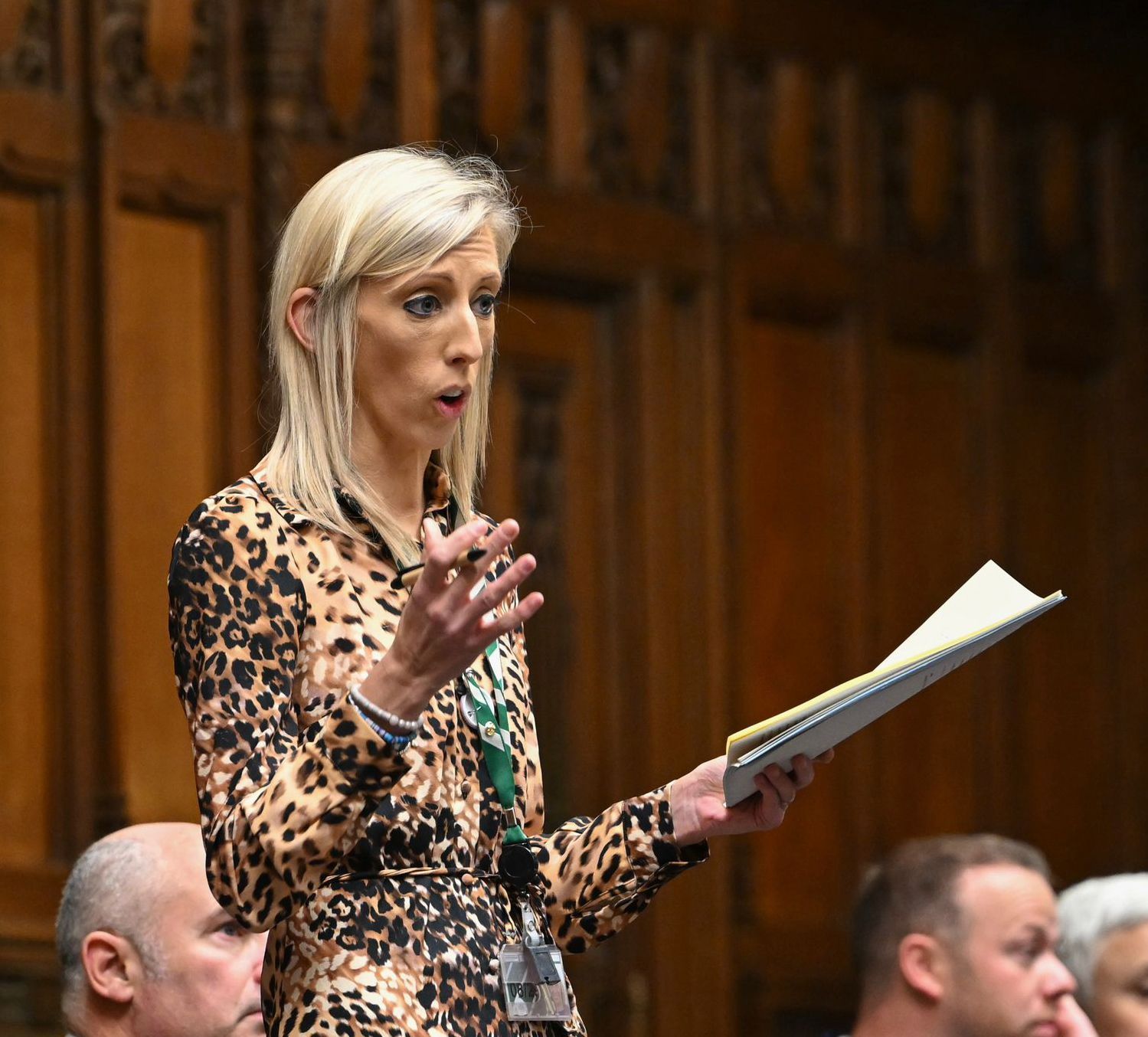
Upper Bann MP Carla Lockhart has responded to the Government’s proposed legislative programme outlined in the King’s Speech, describing it as “underwhelming, tone deaf and disconnected from the concerns of ordinary people across the United Kingdom.”
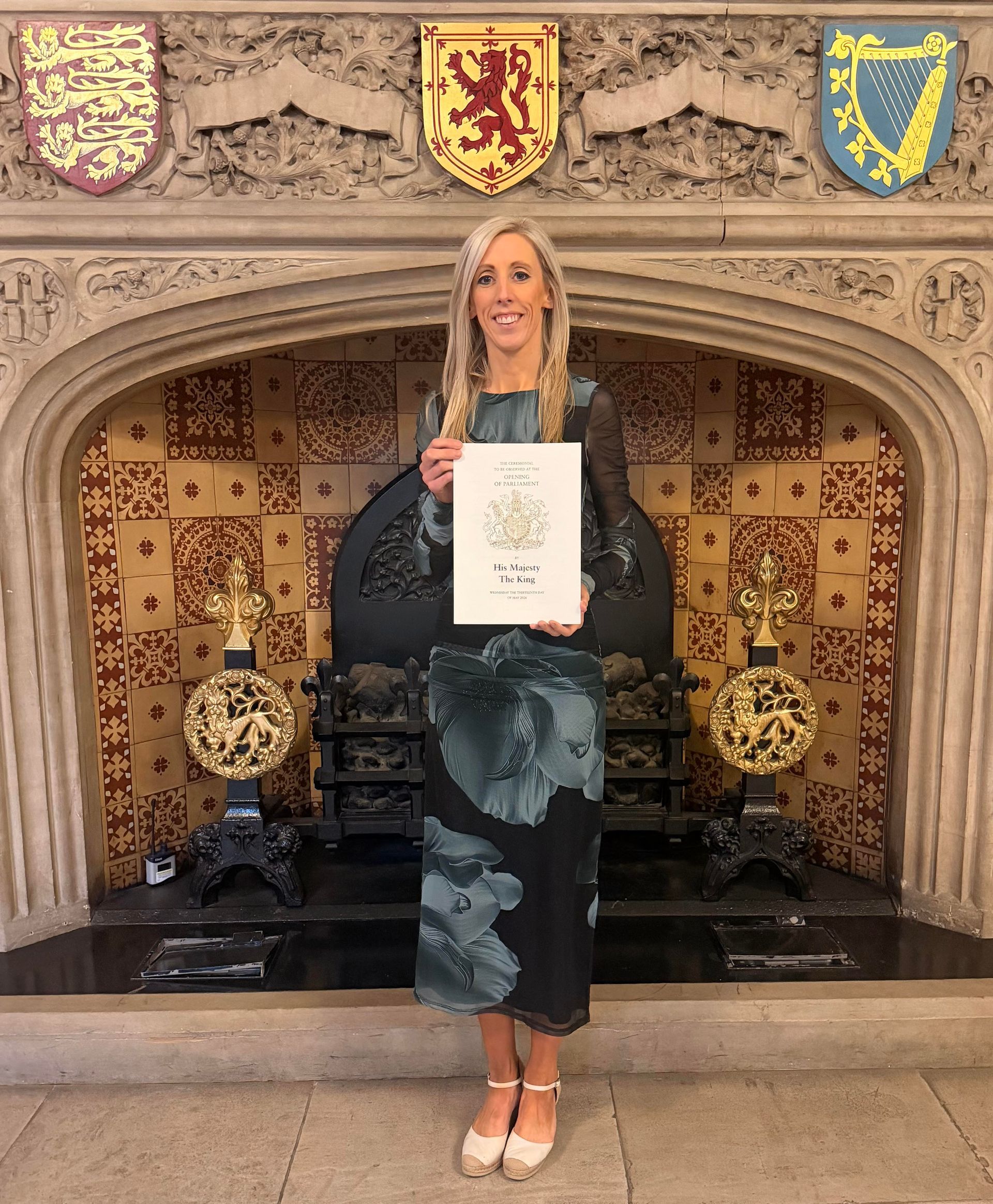
Mrs Lockhart said the Government had failed to address many of the key issues facing families and communities, including illegal immigration, the rising cost of living, soaring fuel and energy costs, pressures on public services, and the ongoing constitutional and economic impact of the Windsor Framework on Northern Ireland.
Commenting following the State Opening of Parliament, Carla Lockhart MP said:
“The King’s Speech felt completely disconnected from where the country actually is right now.
After the surge in support for Reform and Restore Britain, you would think the Government might finally have realised that people are deeply frustrated about immigration, the cost of living, rising fuel prices, soaring household energy bills, collapsing public services and the continued loss of sovereignty and democratic accountability.
Instead, what we heard was more EU ‘reset’ language, more centralisation, more bureaucracy and proposals for digital ID infrastructure that many people will rightly view with scepticism.
There was no mention whatsoever of the internal barriers to trade created by the Windsor Framework and the damage it continues to do to the integrity of the United Kingdom internal market. Northern Ireland businesses and consumers continue to face unnecessary burdens and uncertainty, yet the Government appears content to ignore these realities.
Farmers, who are already under immense pressure from rising costs, excessive regulation and uncertainty around future support, heard very little that would give them confidence about the future of agriculture or food production in the United Kingdom.
Pensioners and vulnerable households who continue to struggle with heating bills and the rising cost of everyday essentials will also be wondering where the Government’s priorities truly lie.
I was also deeply disappointed that there was no meaningful commitment to protecting veterans who continue to face historical investigations decades after serving their country with courage and distinction.
Equally concerning was the absence of any serious strategy to confront antisemitism and Islamist extremism, alongside the continued refusal to proscribe the IRGC despite repeated warnings from security experts and our international allies.
The Government’s approach to the European Union is especially tone deaf. People voted for Brexit because they wanted sovereignty restored, not gradual regulatory realignment repackaged as ‘partnership’.
And while Ministers insist that digital ID proposals will be voluntary, many people are understandably concerned about the long-term implications of increased state control and centralised personal data systems.
Families, farmers and businesses are crying out for action on the cost of fuel and energy, yet the Government’s proposals offered little reassurance to those already struggling with rising bills and economic pressures.
Overall, the programme outlined in the King’s Speech felt less like a response to the priorities of ordinary working people and more like a programme writtek nooo n for Whitehall, regulators and Brussels.
I look forward to speaking further on these issues during the five-day debate on the King’s Speech in Parliament.”
Share