Increased prices for wool is a positive boost for farmers
Upper Bann MP Carla Lockhart has welcomed news that wool prices have hit a 10-year high.
The DUP Agriculture spokesperson said: “The significant increase in wool prices is a positive boost for the local sheep sector. It reflects a stronger market demand and increased competition at auction.”
She said: “In the 1950s wool was regarded as a highly valued national resource, but its value declined over the years due to the growth in synthetic fibres. For years wool has been globally undervalued, despite the fact it a natural, sustainable and versatile resource.
“Increased prices for the 2025 wool clip, is good news for around 3,000 local sheep farmers who have faced rising costs and difficult trading conditions in recent years. Seeing returns increase by 70% in twelve months is a significant development.
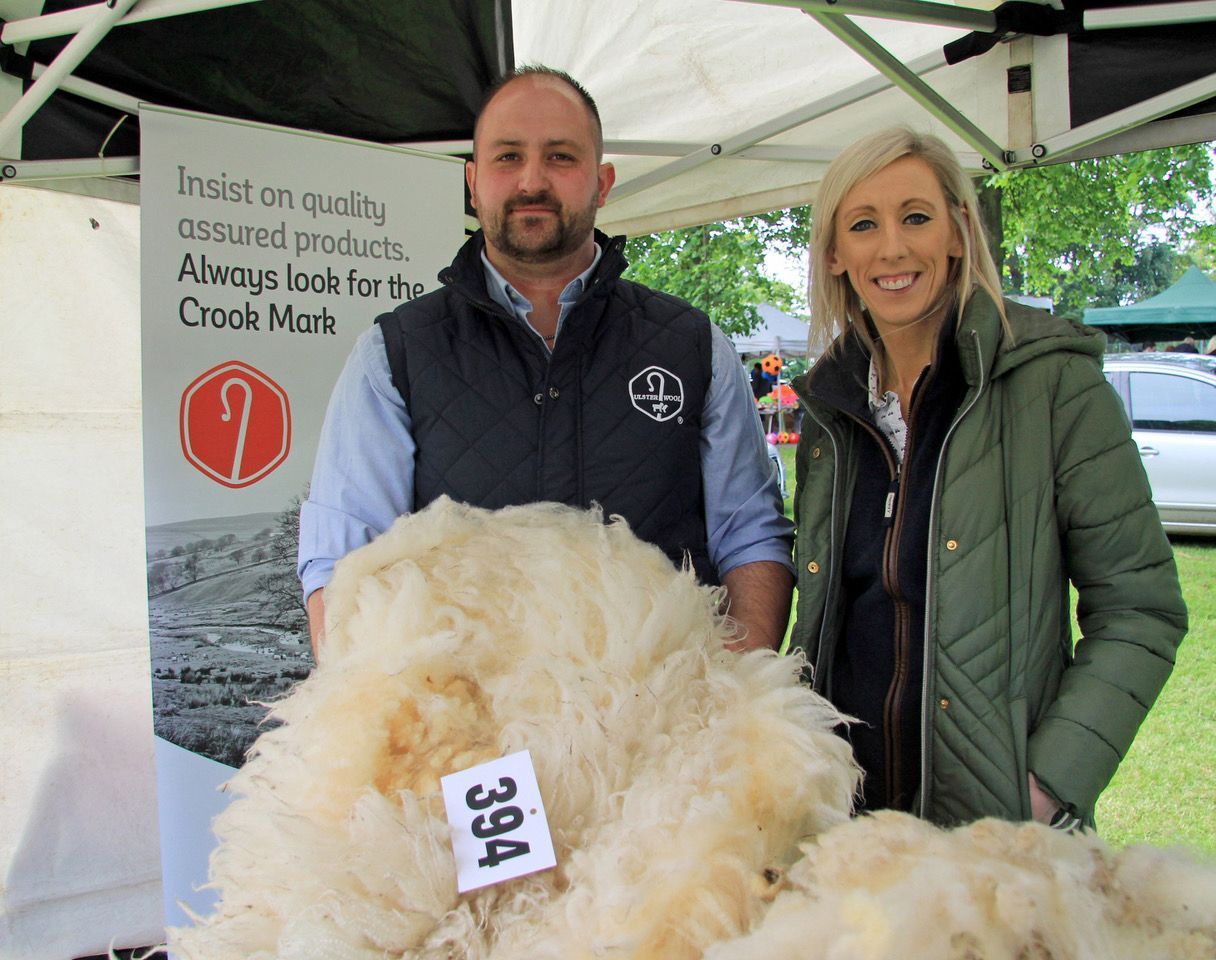
“Sheep farmers produce a high-quality product and deserve to see a fair return for their hard work. I commend the Ulster Wool Group based in Antrim, and its partnership with British Wool, which is delivering results by creating competition at auction and expanding market opportunities for its members.”
Ms Lockhart added: “The fact that average returns have risen from 40p per kilo to 68p per kilo will provide an important financial boost for farming families across Northern Ireland.
“This is a very positive step forward. It is fantastic to see sheep farmers getting an opportunity to improve the viability of their businesses through the sale of wool.
“The positive outlook for the 2026 season is encouraging, with further rises (25p to 30p per kilo) forecast, and expectations that some core wool types could exceed £1 per kilo. That represents a major turnaround for the sector and underlines the importance of continued investment in wool marketing, traceability and supply chain development.”
“The UK sheep sector sustains thousands of jobs, and contributes significantly to the economy through the sale of ewes, rams and lambs for breeding and meat. Sheep also play a vital role in biodiversity and countryside management in both upland and lowland areas.”
The MP said: “Wool is suitable for a wide range of uses including knitwear, carpets, mattresses and insulation. We are all striving to reduce our environmental impact, and natural wool offers endless benefits, compared to synthetic materials such as polyester, nylon, acrylic and vegan leather which contain petroleum-based polymers and plastics.
“The benefits of wool are endless. It is durable, fire retardant, fully traceable, hard wearing, recyclable and bio-degradable. “
Carla Lockhart highlighted that the improved returns for wool are a reminder of the resilience of the local sheep industry, and the importance of supporting agriculture as a key pillar of the rural economy.
Share