Use of BTV-3 vaccines may inhibit animal exports
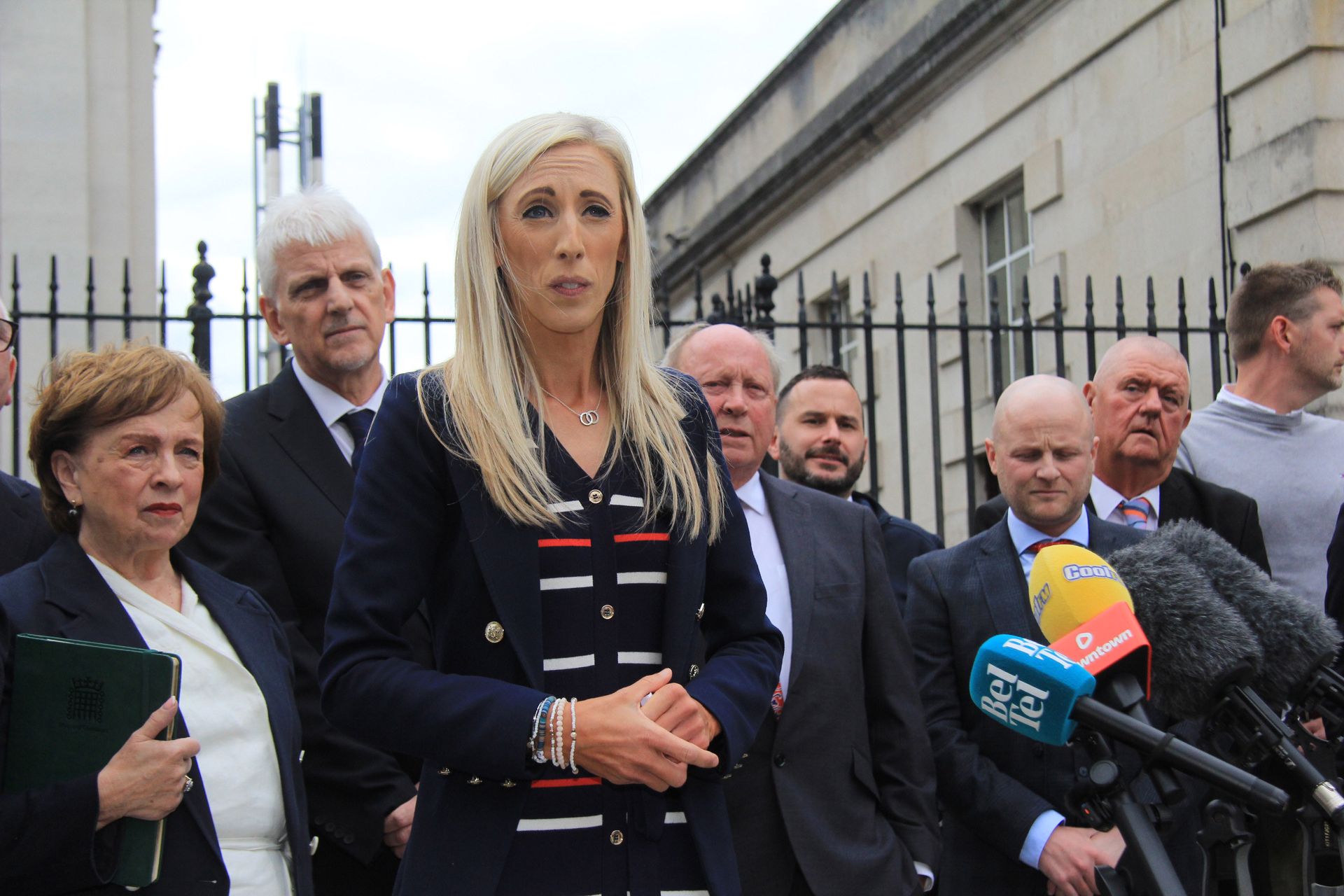
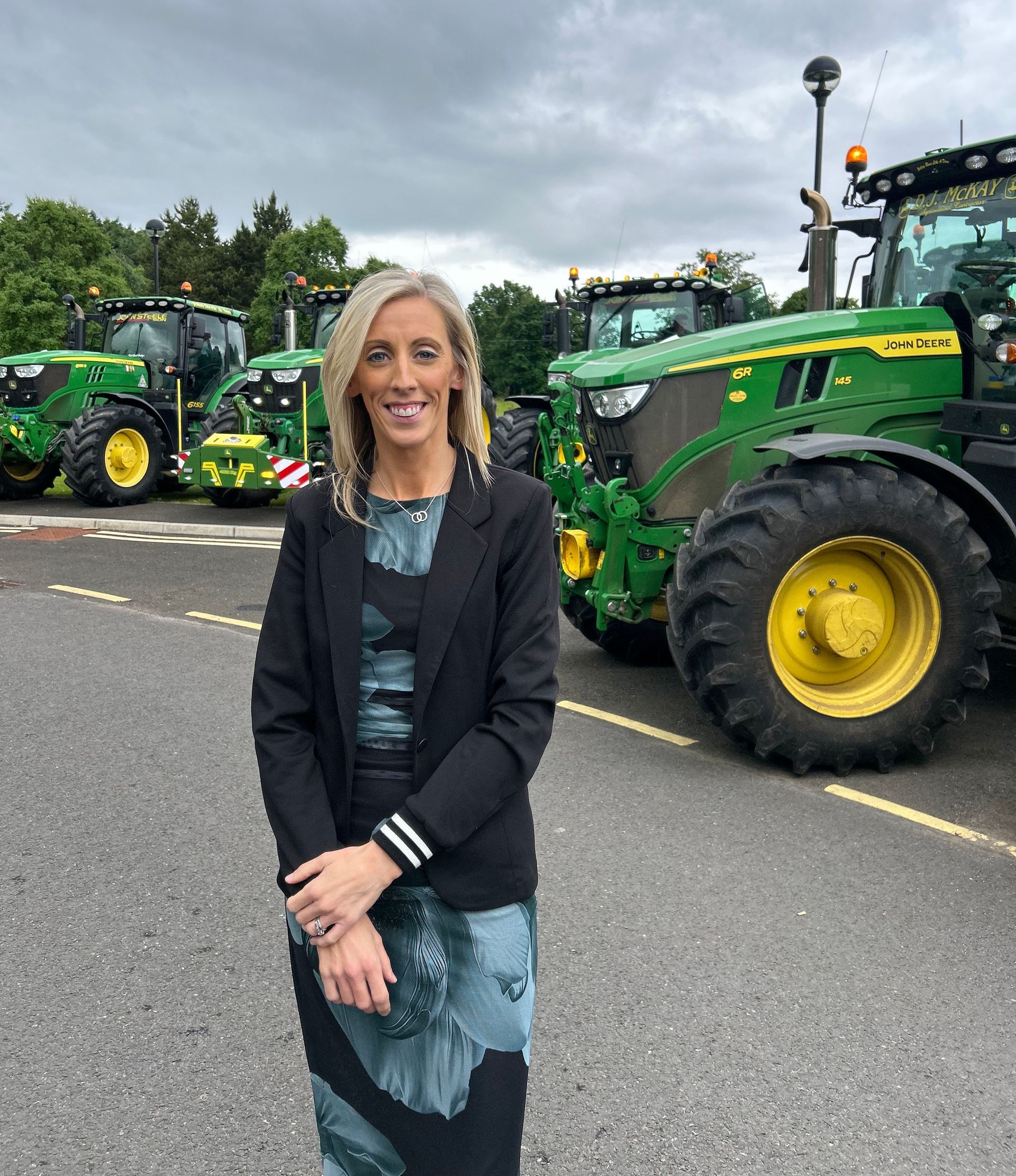
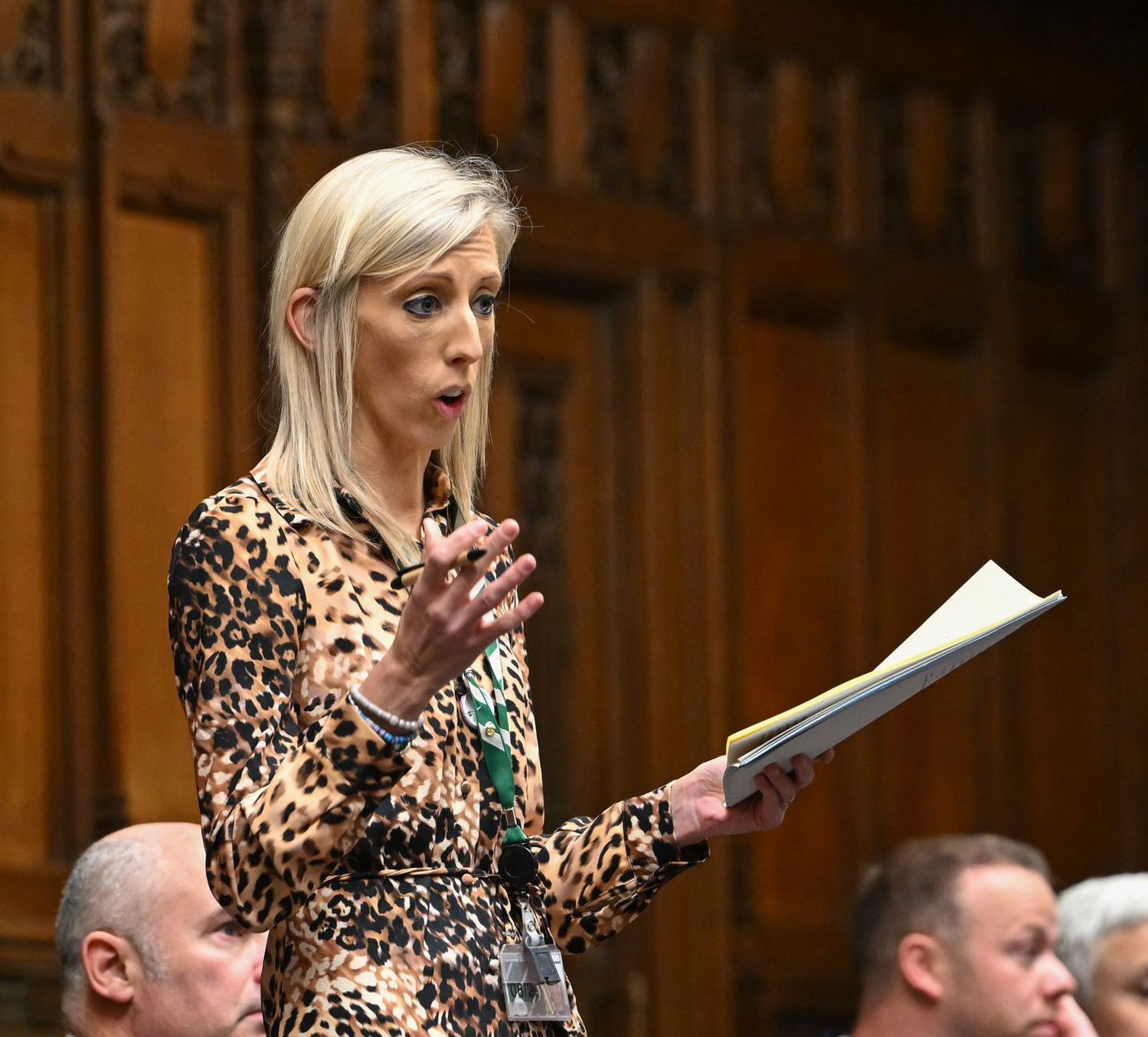
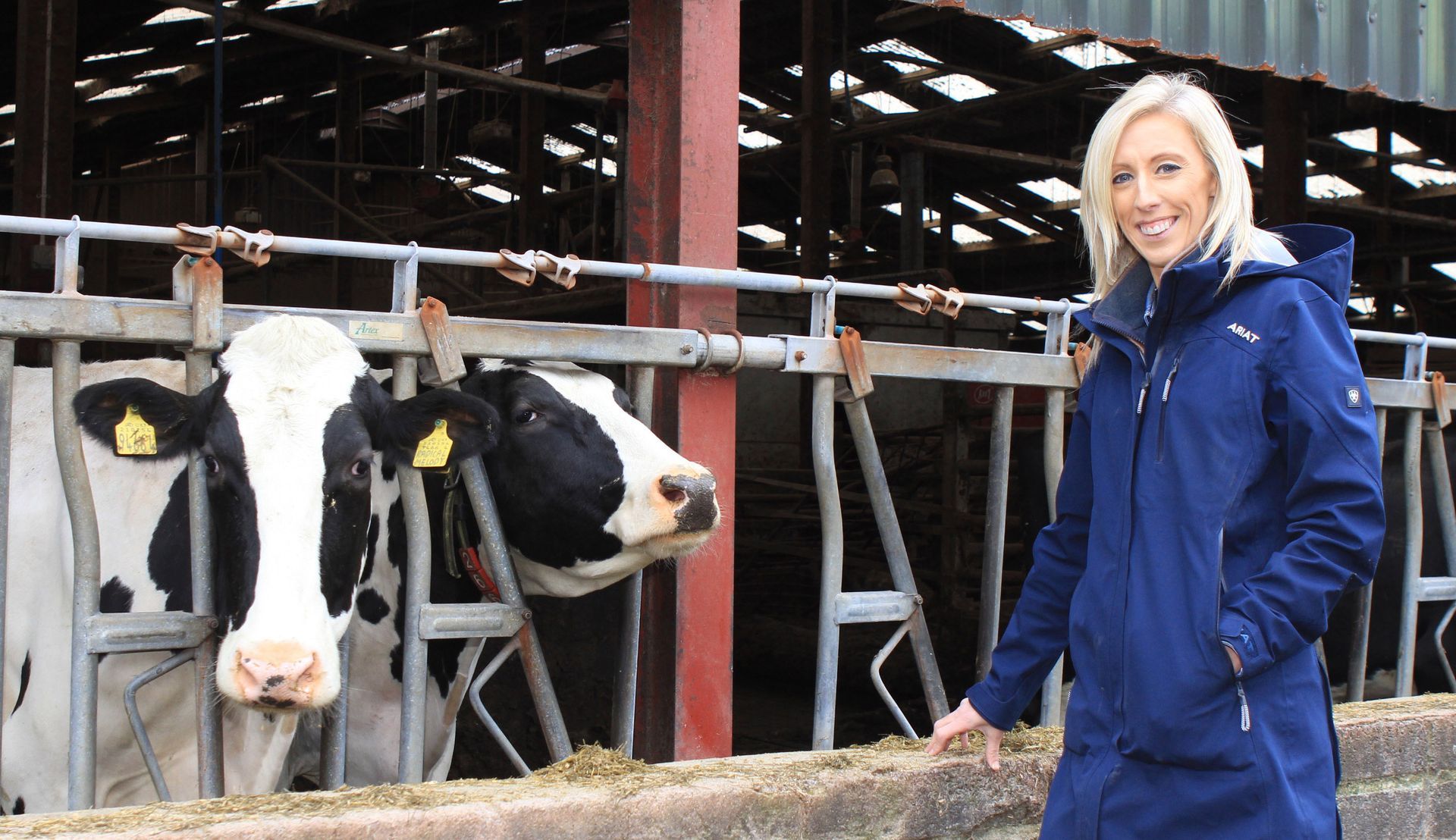
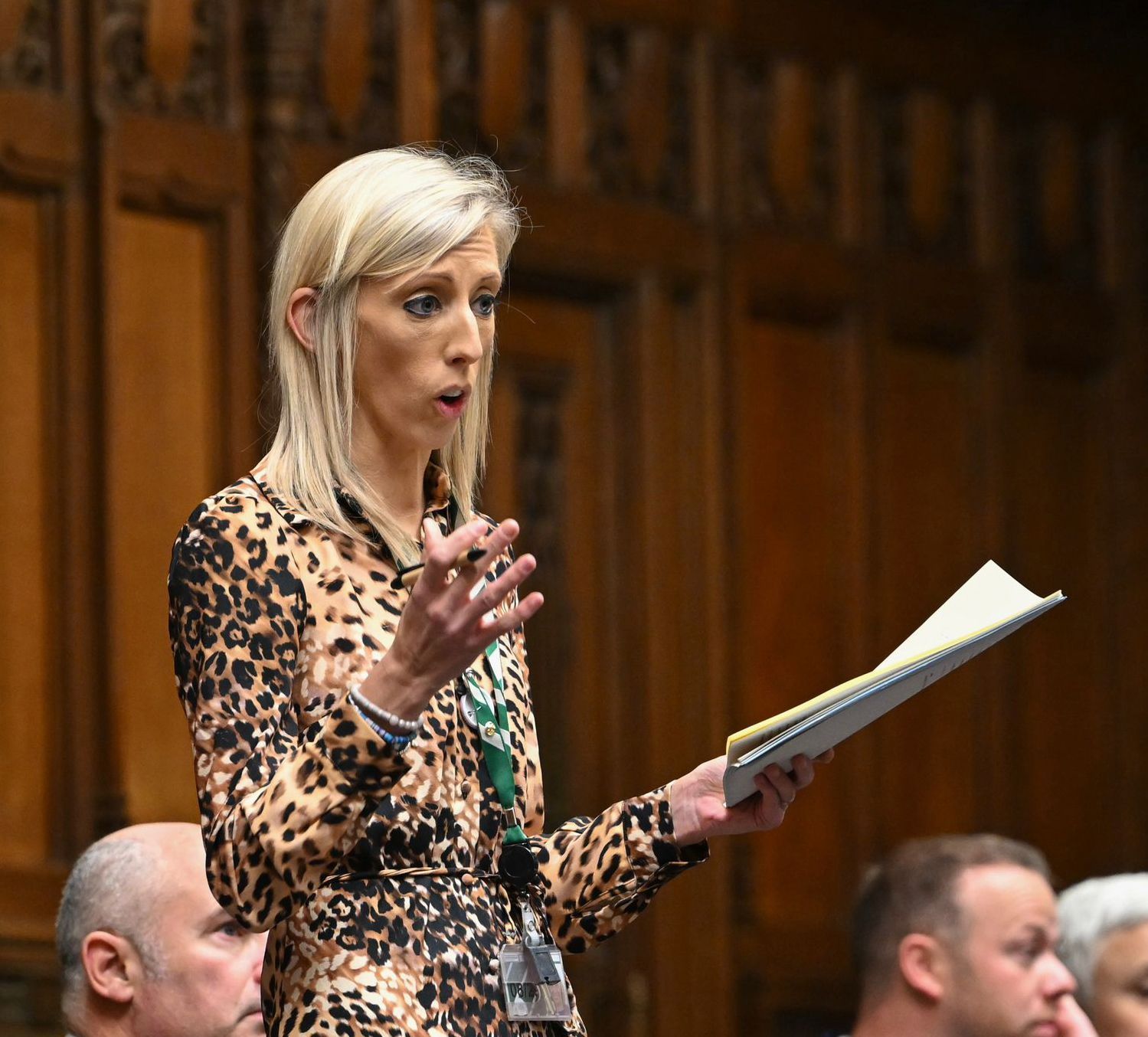
Upper Bann MP Carla Lockhart is urging livestock farmers in Northern Ireland to seek professional veterinary advice before administering a BTV-3 vaccine. The use of a vaccine may inhibit future animal movements and the export of germinal products.
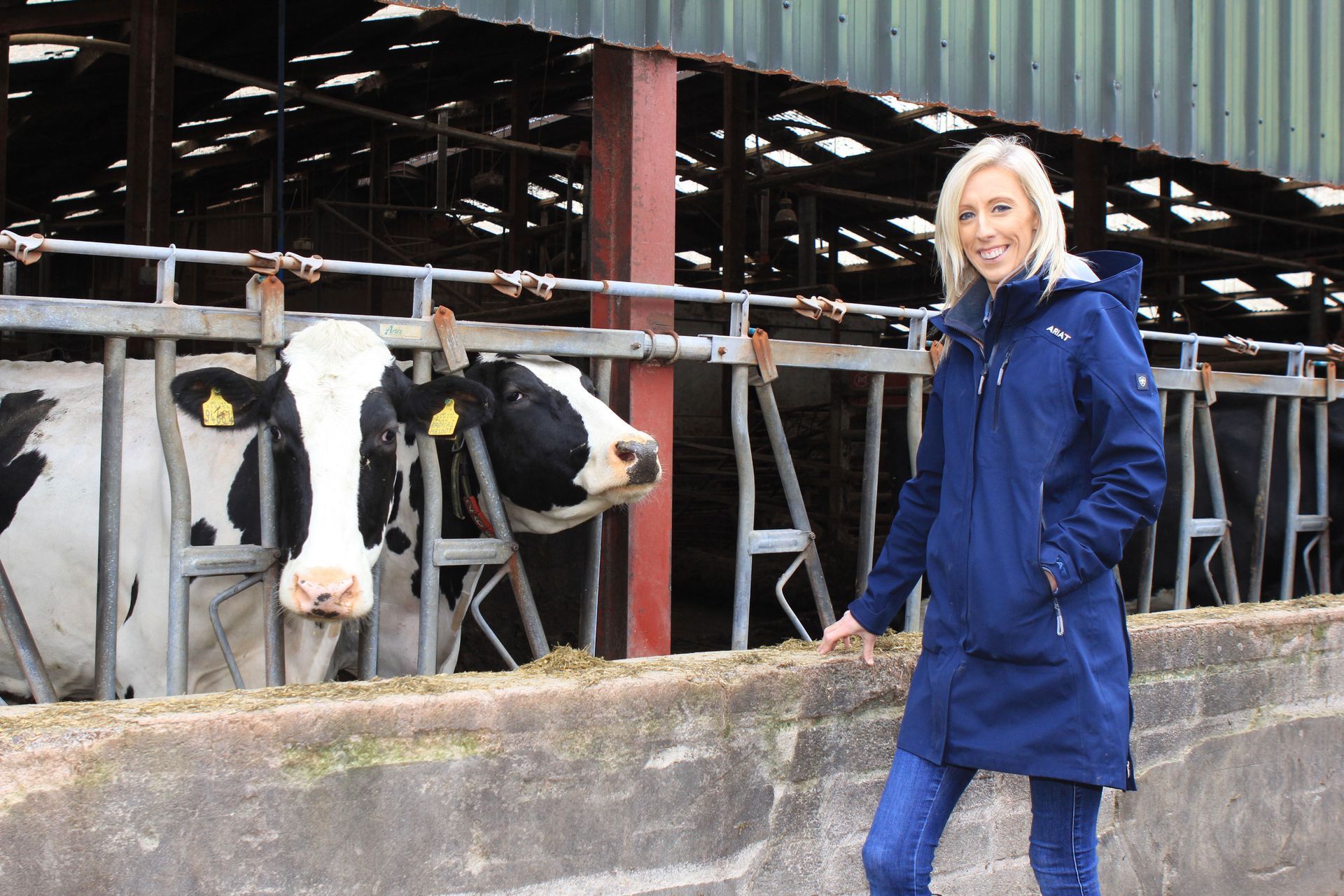
The MP said: “Thankfully Northern Ireland remains a Bluetongue free zone. DAERA is actively conducting surveillance sampling in abattoirs to declare freedom from the disease. Officials are also using the Met Office’s Hazard Manager maps, and midge traps are in operation at seven inland and coastal sites across Northern Ireland.
“Vigilance and strict bio-security measures are key, especially as the disease threat from infected midges is heightened during the warmer summer months.
“Clinical signs or symptoms of the disease should be reported to a vet or the local divisional veterinary office (DVO) immediately. Incidence of the disease in the UK has predominately affected sheep and cattle, while goats, deer and camelids such as alpacas and lamas are also susceptible species.”
The DUP Agriculture, Environment and Rural Affairs spokesperson said: “DAERA has recently granted permission for the voluntary use of three Bluetongue serotype 3 vaccines – Bluevac 3, Bultavo 3 and Syvazul BTV 3.
“While the Minister’s decision to allow the use of BTV-3 vaccines will give flock keepers and herd owners an additional safeguard against the disease, it is important to note that they won’t prevent infection or transmission. Vaccination does have a role in managing disease severity.
“Farm vets and livestock farmers must apply to DAERA for a licence to use a BTV-3 vaccine. The three approved inactivated vaccines are authorised for use throughout the UK and the EU.”
Carla Lockhart added: “The decision to vaccinate is personal choice, but I would strongly advise farmers to seek expert advice from their private vet. Farmers will be responsible for all associated costs, and if applicable, they are responsible for adhering to the necessary trade and export requirements.
“There are a number of factors to be aware of, especially concerning vaccinated animals. Using vaccines may limit the use of negative serology tests for germinal product certification to some third countries, requiring PCR tests. Some certificates for third country (non UK or EU) exports are already affected because they require UK BTV-3 freedom.
“While Northern Ireland remains BTV-3 free, vaccinated animals are eligible for slaughter; and breeding sheep and cattle can be sold to the EU for breeding and production.
“The use of vaccination has no impact on the trade or movement of meat and dairy products to the EU. However, complications may arise if Northern Ireland loses its Bluetongue freedom.”
She continued: “Vaccinated animals can be exported to EU regions for direct slaughter, providing pre-movement notification is given to the abattoir and there is no outbreak of Bluetongue on the premises of origin within 30-days prior to movement.
“The three authorised vaccines have no known duration of immunity. Therefore, if Northern Ireland is not Bluetongue free, breeding animals won’t meet the certification requirements for export to EU regions, including ROI.”
The MP concluded: “Bluetongue is an airborne disease spread by infected midges. It can also be transferred through infected germplasm.
“The movement of animals from Great Britain to Northern Ireland remains suspended. It is encouraging to learn that pedigree breeders are acting on DAERA advice and refraining from importing animals from European regions, excluding ROI. The last known import of pedigree cattle from Denmark, France and Austria was over twelve months ago.”
Share