Middle East conflict responsible for rising fuel and fertiliser costs
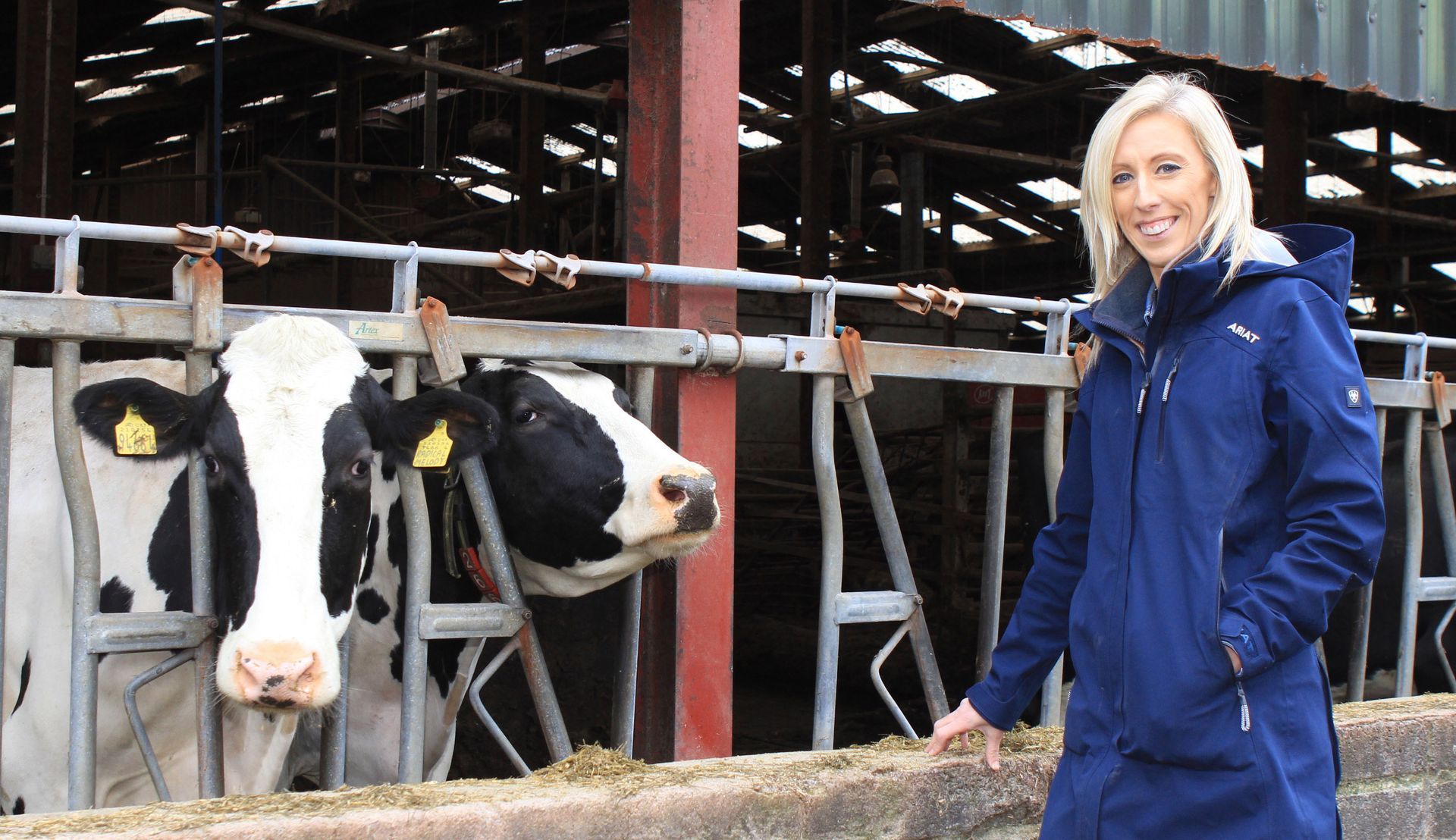
DUP Agriculture spokesperson, Carla Lockhart MP, has warned that farmers across Northern Ireland are facing intense financial pressure as the cost of fuel and artificial fertiliser continues to soar as a result of the ongoing conflict in the Middle East.

“Confirmation that fertiliser prices rose by over 20% last week is ringing alarm bells for many in our agricultural community,” explained the MP. “I’m also getting reports that some suppliers are reluctant to quote as prices are rising almost daily.
“In another blow to our agri-food sector, expected in January 2027, the Labour Government is set to implement a Carbon Border Adjustment Mechanism (CBAM) – effectively a carbon tax on imported, emission intensive products, such as fertiliser. It is estimated this will add in excess of £50 per tonne to the cost of fertiliser.
She added: “Fertiliser is not an optional input for farm businesses – it is essential for maintaining grass growth, crop yields and ultimately food production. A sudden and significant spike in prices places yet another financial burden on farmers who have already endured years of volatility in input costs.
“Global supply chain disruption is responsible for driving prices up. The Middle East supplies 45% of global requirements for urea and ammonia which are key components of artificial fertilisers widely used on farms.
“The Strait of Hormuz, located on the southern coast of Iran, is a major shipping route for commodities such as oil, aluminium, fertiliser and sugar. Shipping is largely at a standstill which is impacting availability, while the use of alternative shipping routes will contribute to higher freight costs, explained the Upper Bann MP.
“We’ve seen a long-awaited spell of drier weather and field work is picking up across Northern Ireland. Tractors with slurry tankers and fertiliser sowers have been more visible in fields around the countryside. The situation in the Middle East comes at a bad time and will undoubtedly lead to supply issues and higher overhead costs for farmers.”
Carla Lockhart MP added: “The knock-on impact on fuel markets is also deeply concerning for consumers and farmers. We’ve seen soaring prices for petrol, diesel and home heating oil.
“The cost of agricultural red diesel has risen rapidly to around 105p per litre, representing an increase of over 40% in a week, as a result of the geopolitical tension. Prices are fluid, but the massive spike has followed a period of stability, and will significantly increase the cost of operating farm machinery.
“Agricultural contractors who carry out vital work such as slurry spreading, silage cutting and harvesting, are particularly exposed to these rising fuel costs. Inevitably, the increasing costs will be passed on to farmers who rely on contractors to carry out essential seasonal work,” she said.
“In reality, with a price rise of 30p per litre, it will cost an extra £60 to fuel a tractor using 200 litres of red diesel per day. That equates to £360 over a six-day week for a single tractor, and for a business operating five tractors that’s an additional cost of £1,800 to the weekly fuel bill. “
The MP continued: “Northern Ireland’s farmers are resilient, but they cannot continue to absorb wave after wave of cost increases. If these pressures continue unchecked, they will inevitably impact farm profitability, food production and ultimately the price consumers pay at the supermarket check-out.
“Government must recognise the seriousness of the situation and work with industry to monitor the impact of rising fertiliser and fuel costs. Our farming sector is critical not only to the rural economy but to national food security, and it must be supported through what is clearly becoming another period of global market instability.
“I will continue to engage with stakeholders and push for practical measures that will help protect farm businesses and ensure that Northern Ireland’s agri-food sector can remain competitive and sustainable in the face of these unprecedented challenges,’ concluded the MP.
Share