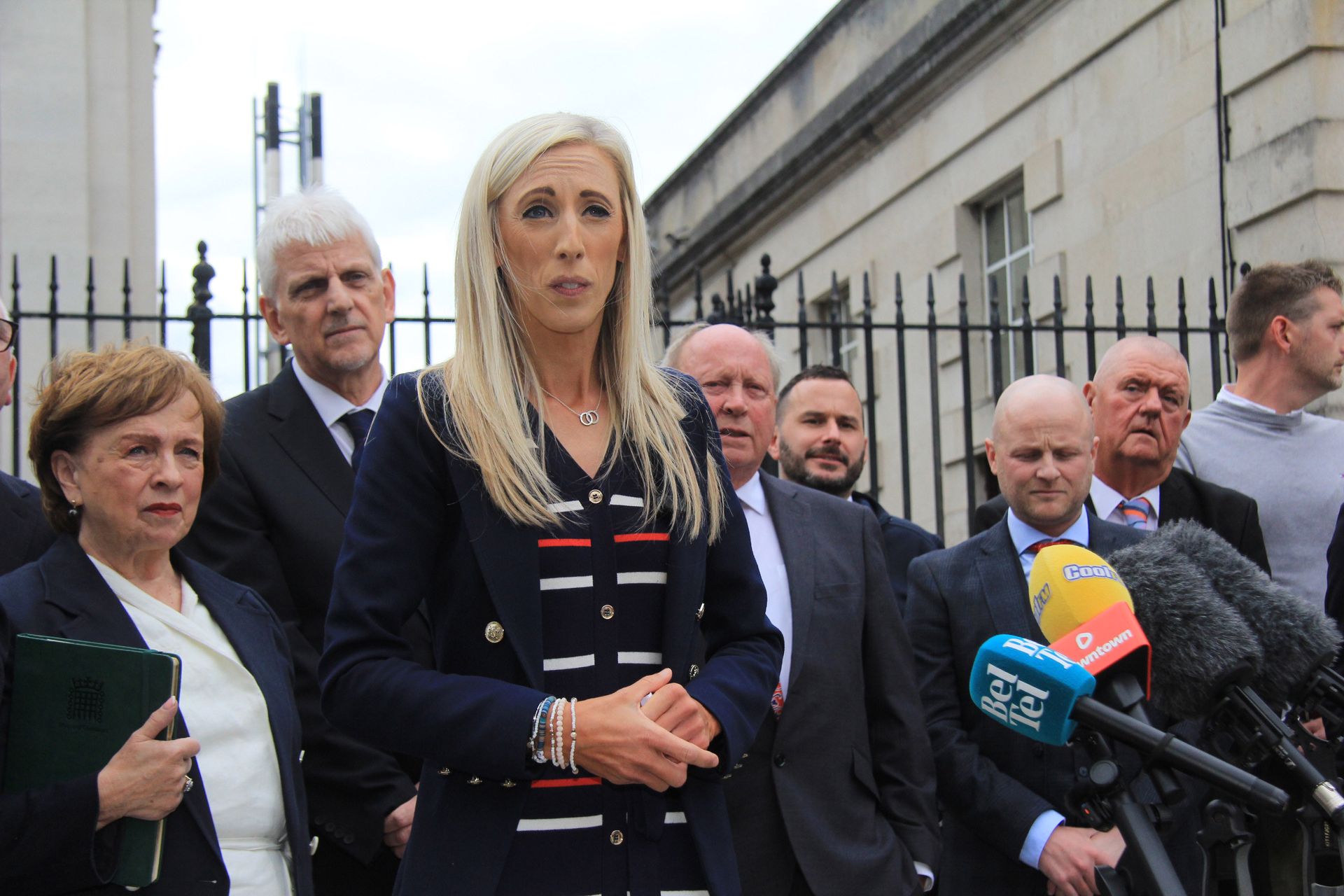
MP responds to report on true cost of TB
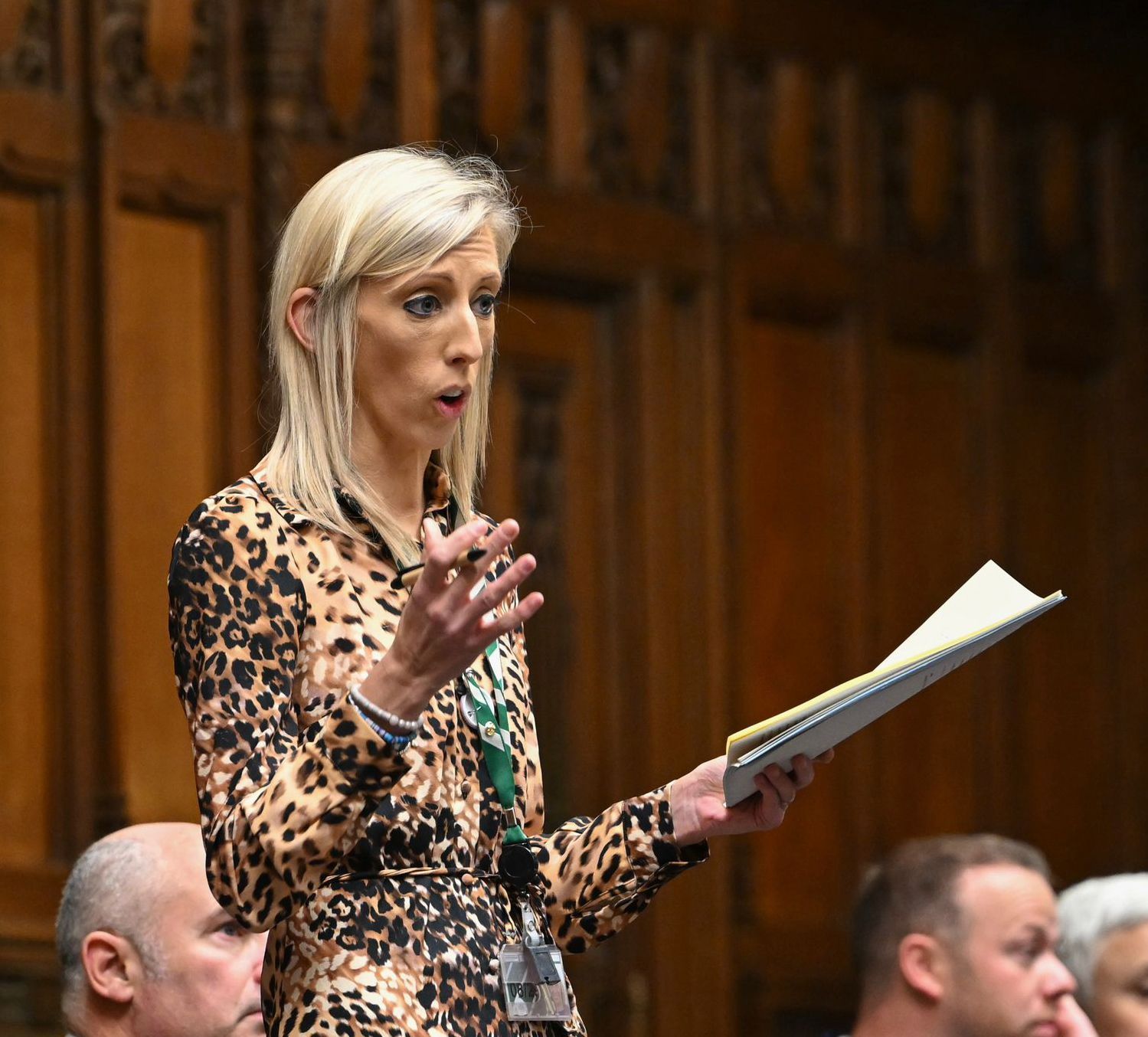
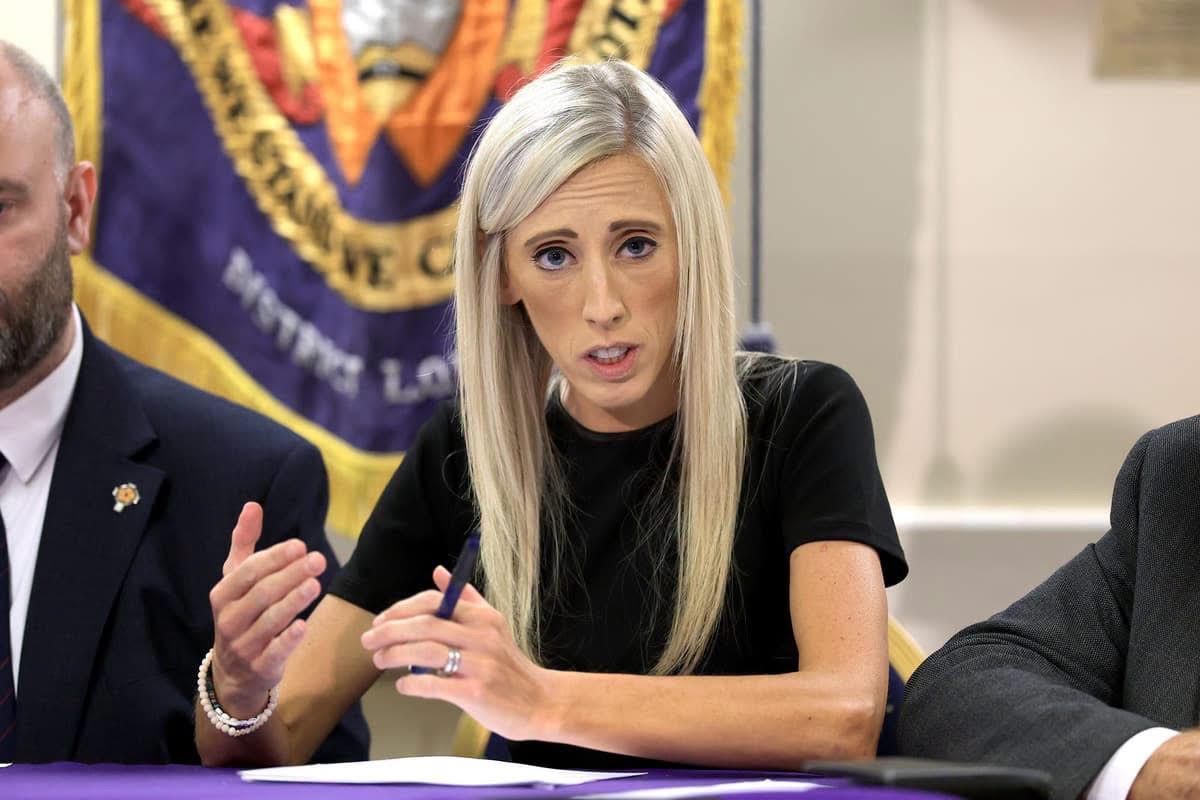
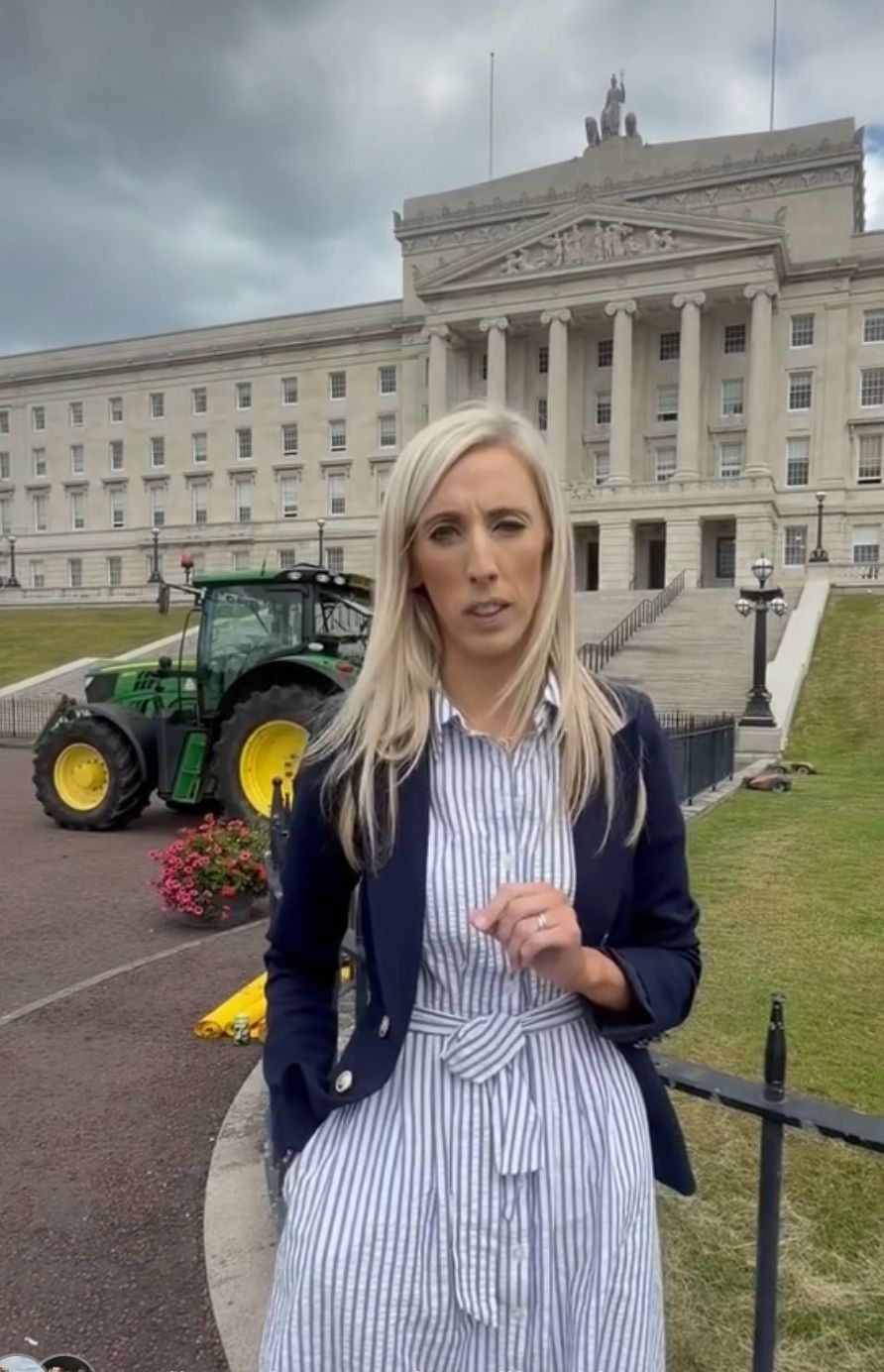
The DUP’s Westminster Agriculture spokesperson, Carla Lockhart MP, has responded to the findings of a landmark independent study into the true cost of bovine tuberculosis (bTB) on the agriculture sector in Northern Ireland.

Commenting on the report produced by the Anderson Centre, the MP said: “The findings of this comprehensive report lay bare the stark realities that our farming community have battled for decades.
“Bovine TB is not only the single biggest animal health issue ever encountered by the Department, but also a profound and ongoing economic crisis for agriculture in Northern Ireland.”
The Upper Bann MP added: “This analysis confirms, what many farmers have learned from experience, that bovine TB represents a major strain on farm profitability. Indirect costs are estimated at over £96 million annually, and when combined with DAERA expenditure, the total economic burden reaches approximately £156 million per year. The scale of this challenge is immense and it cannot be ignored.
“It is particularly alarming to learn that the greatest financial impact falls directly on farmers, with indirect costs far outweighing the support available. The costs on herds with no breakdowns (approx £50m), and the environmental and social costs cannot be underestimated.”
“Let’s not forget that bTB also bleeds public money. Over the last 20 years around £750 billion pounds of taxpayers’ money has been spent, with precious little to show for it,” added the MP.
Ms Lockhart commended the Ulster Farmers’ Union, Livestock and Meat Commission and Dairy Council for Northern Ireland for commissioning this vital research, which provides robust evidence to inform future policy decisions.
She said: “The content of this report clearly outlines that Minister Muir’s business-as-usual approach is no longer sustainable. We need decisive, co-ordinated and science-led action to reduce the incidence of bTB, and ultimately reach the end goal - eradication.
“This must include addressing all contributing factors, including an effective wildlife intervention, while ensuring that farmers remain at the heart of any strategy.
“The economic, environmental and emotional toll of this disease on farming families is immense. Government and industry must now work together with renewed urgency to deliver meaningful progress and long-term solutions.”
Share