Plant health regulations expose constitutional consequences of Windsor Framework
Upper Bann MP Carla Lockhart has warned that the Government’s latest plant health regulations expose the serious constitutional and democratic consequences of the Windsor Framework.
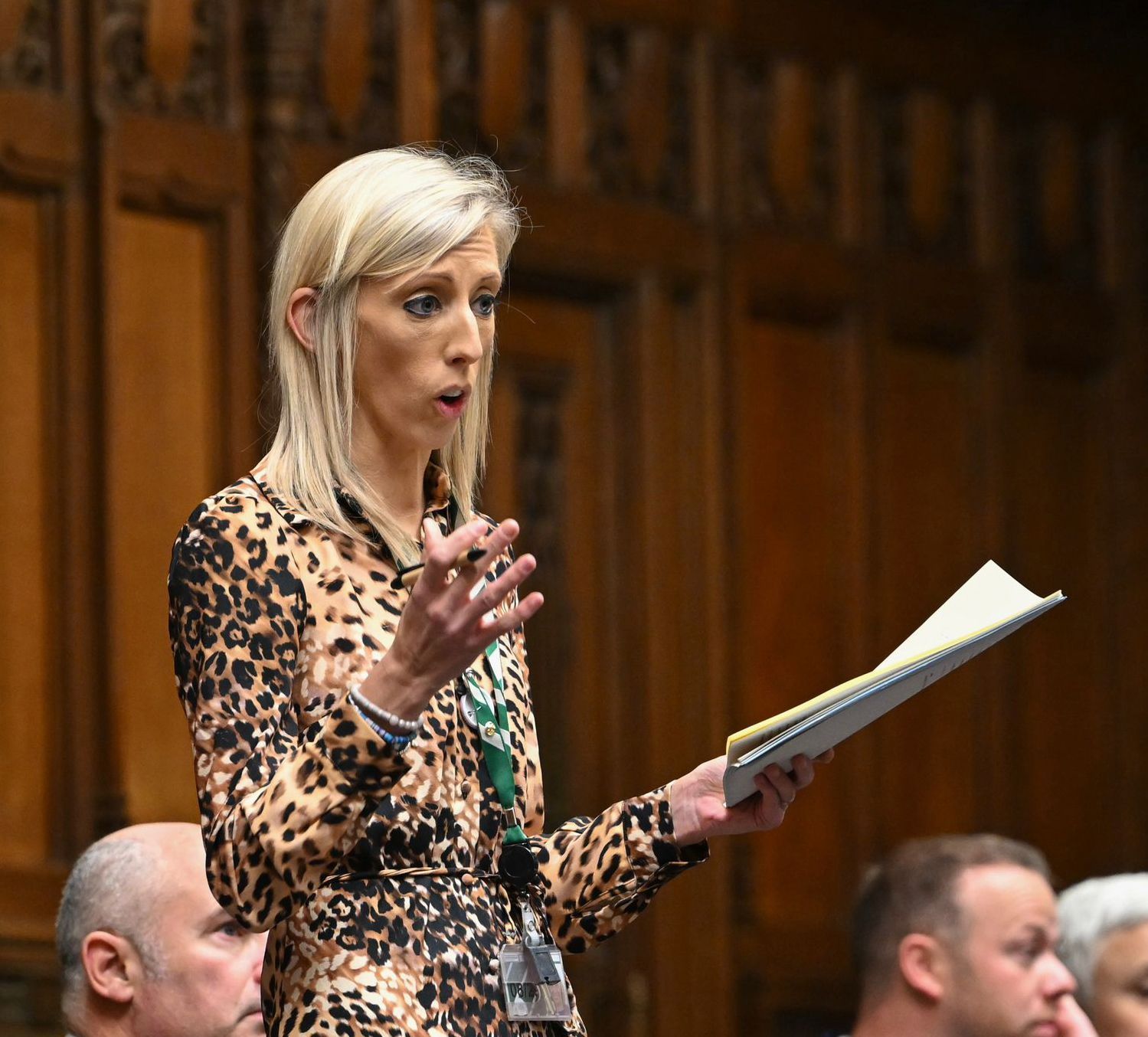
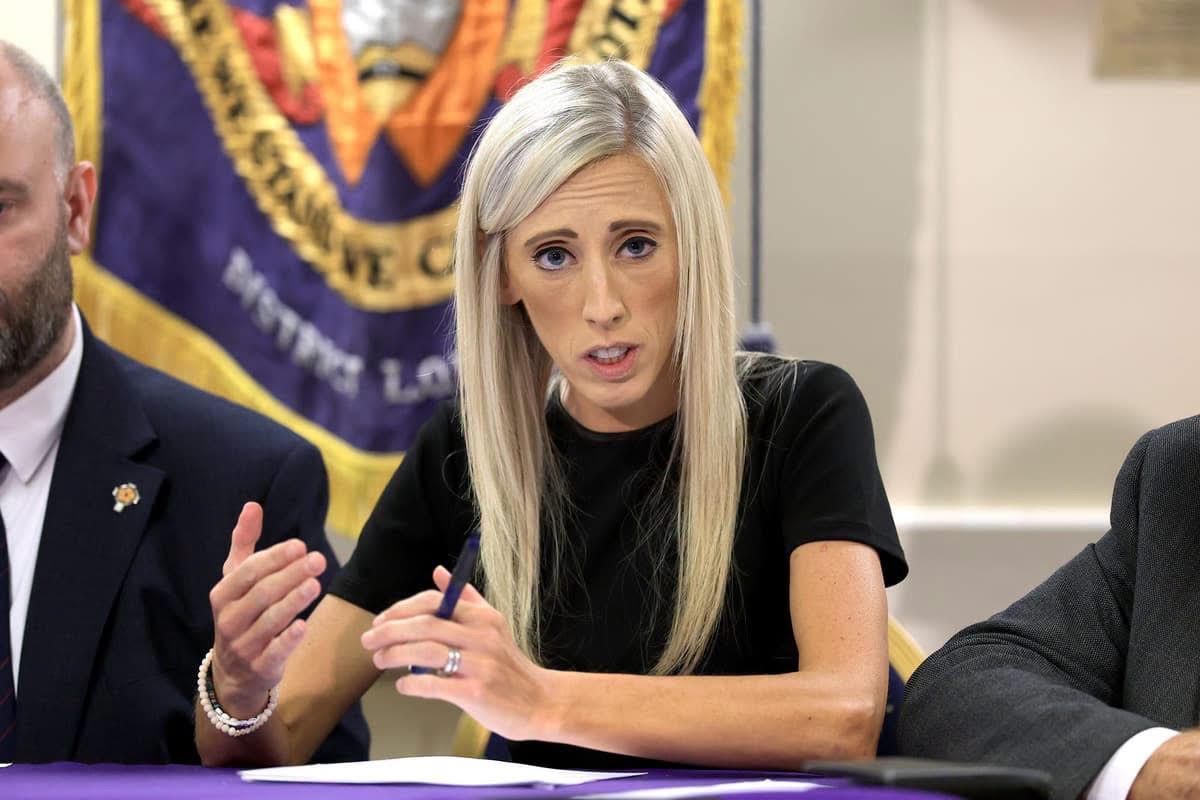
Ms Lockhart was speaking alongside fellow Northern Ireland MPs at a Delegated Legislation Committee debate in the House of Commons, and it was clear they were unanimously opposed to the draft Plant Health, Seeds, Seed Potatoes and Plant Propagating Material (Amendments) (Northern Ireland) Regulations 2026.
The DUP Agriculture spokesperson said: “This has been presented as a technical instrument, but there is nothing insignificant about legislation which creates new criminal liability in Northern Ireland under laws imposed through the European Union.
“These regulations amend six separate areas of Northern Ireland law, covering vegetable plants, ornamental plants, forestry material, seed potatoes, fruit plants and official plant health controls.
“What is particularly extraordinary is the constitutional language contained within this instrument.”
The MP added: “Northern Ireland is to be read as if it were a member state of the European Union, UK standards are replaced with EU or Union standards and, in relation to forest reproductive material, Great Britain is classified as an ‘EU-approved third country’.
“This is not simply tidying up legislation. It is further embedding Northern Ireland within the regulatory territory of the European Union and creating a separate regulatory regime within our own United Kingdom.”
She explained: “Most concerning of all is Regulation 7, which introduces a new list of EU instruments into Northern Ireland law, and makes non-compliance with those requirements an offence. These references include those EU laws ‘as amended from time to time’.
“That means rules changed in Brussels in the future could alter the obligations placed on Northern Ireland businesses, without a vote in this House and without a vote in the Northern Ireland Assembly.”
“These are not abstract regulations,” stressed Ms Lockhart. “They concern plant passports, the movement of seed potatoes, the destruction of infected plants and potentially the cleaning or destruction of machinery, vehicles, stores and packaging.”
The MP added: “Yet despite the creation of new offences, there was no public consultation. Northern Ireland’s farmers, growers, nurseries, seed producers and forestry businesses were not formally given the opportunity to have their say.”
“Nor has a full impact assessment been provided, with the Government claiming there will be no significant financial impact. That simply is not good enough when Parliament is being asked to approve new criminal liabilities affecting businesses on the ground.”
Ms Lockhart acknowledged that DAERA already has powers to detain, reject, re-export or destroy consignments. She said: “Those powers were exercised 43 times during 2025, and DEFRA has confirmed that the existing enforcement gap caused no negative effect on compliance or biosecurity.
“The Minister therefore needs to explain precisely what failure these new offences are intended to address, who could potentially face prosecution and, most importantly, why Northern Ireland businesses were denied the opportunity to participate in a proper consultation.
“This instrument exposes the reality of the Windsor Framework. EU law, EU standards and EU enforcement continue to be imposed on one part of the United Kingdom without democratic consent.”
Carla Lockhart MP concluded: “Northern Ireland should not be treated as though it is outside the United Kingdom, or as though its businesses are subject to laws made elsewhere without meaningful democratic accountability.
“I stand with my Northern Ireland parliamentary colleagues in opposing these regulations. I cannot support legislation which further entrenches this democratic deficit and places Northern Ireland businesses under rules that can be changed without their elected representatives having a say.”
Share